
Common Plumbing Problems Every Homeowner Faces
Most plumbing problems give you warning signs before they turn into an emergency:
A toilet that won't stop running.
Water pressure that's dropped off.
A water heater that can't keep up.
Catching these early usually means a quick fix instead of a flooded basement. Here's what causes the most common plumbing problems in Michigan homes, what you can check yourself, and when it's time to call a plumber.
A Running Toilet That Won't Shut Off
A toilet that runs constantly is almost always a worn flapper valve or a fill valve that isn't seating right. Both are cheap parts, and a running toilet can add real money to your water bill the longer it goes unfixed.
Lift the tank lid and watch what happens after you flush. If the flapper isn't sealing the drain at the bottom of the tank, water keeps trickling through and the fill valve keeps trying to top it off. Replacing a flapper is a five-dollar part and a five-minute job for most homeowners.
If you've replaced the flapper and the toilet still runs, the issue is likely the fill valve itself or a cracked overflow tube, and that's a good time to call a plumber before the water bill climbs any higher.
Low Water Pressure Throughout the House
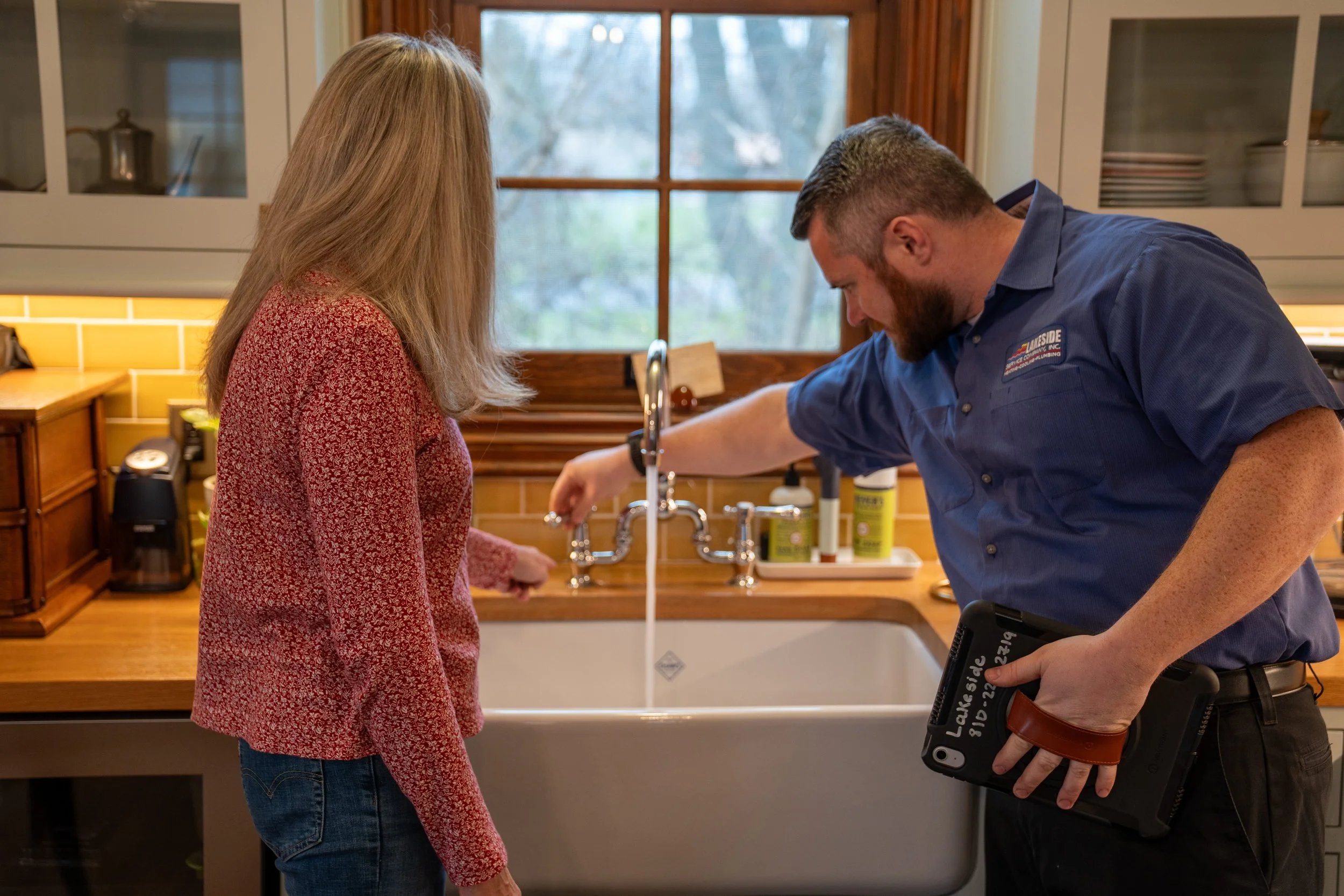
If pressure has dropped in one faucet, the fix is usually simple. If it's dropped throughout the whole house, the cause is bigger.
Sediment buildup in faucet aerators and shower heads is the most common culprit, and it's easy to fix yourself. Unscrew the aerator, soak it in vinegar, and scrub away the mineral deposits. Michigan's hard water makes this a recurring chore in a lot of homes.
Whole-house low pressure points to something else: a failing pressure regulator, corroded galvanized pipes (common in older homes), or a municipal supply issue. A plumber can test your incoming water pressure and tell you within minutes whether the problem is your plumbing or the pipe on your side of the meter.
A Water Heater That Won't Heat (or Runs Out Fast)
Most tank water heaters last 10 to 15 years, according to the American Council for an Energy-Efficient Economy, and problems tend to show up as that window closes.
No hot water at all is often a tripped breaker, a blown thermocouple on a gas unit, or a burned-out heating element on an electric one. Lukewarm water that runs out fast usually means a bad element or a thermostat that isn't reading correctly. Rust-colored water or a rumbling, popping sound from the tank is sediment buildup, and it's a sign the tank has been working harder than it should for a while.
Check the breaker and, on gas units, confirm the pilot light is lit. Beyond that, water heater repairs involve gas lines, electrical components, and pressurized tanks, and that's a job for a licensed technician.
Slow or Clogged Drains
Hair, soap residue, and grease are the usual suspects in a slow bathroom or kitchen drain. A plunger or a drain snake handles most single-fixture clogs without any chemicals.
Skip the chemical drain cleaners. They can damage older pipes and don't do much for a clog that's more than a few feet down the line.
If a clog keeps coming back, or if multiple drains in the house are slow at the same time, that points to a blockage further down the line, possibly in the main sewer line, and that needs a camera inspection, not another bottle of drain cleaner.
When to Call a Plumber
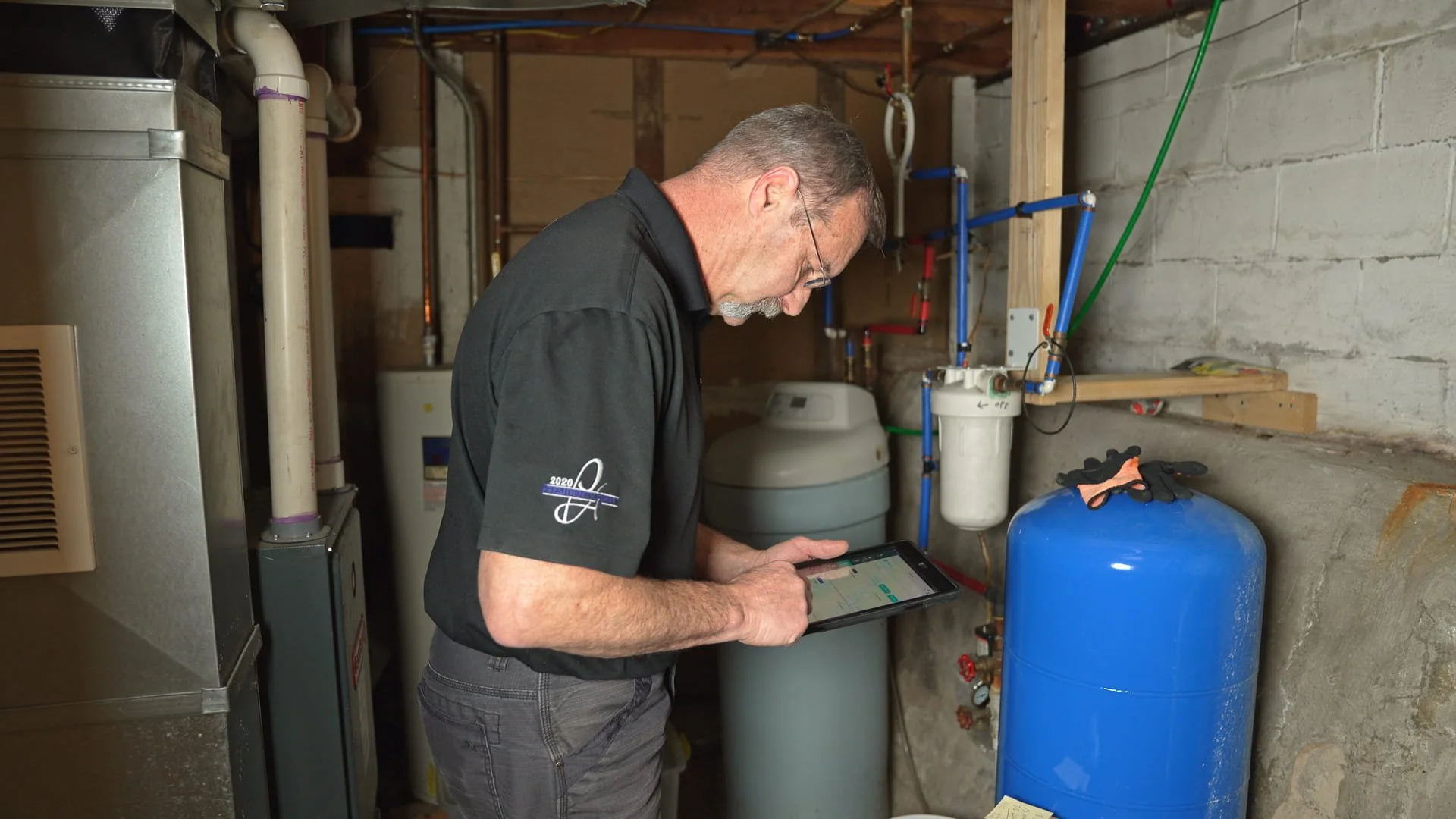
Most plumbing problems are fine to handle yourself, but call a plumber right away if you notice:
Sewage smell coming from a drain.
No water anywhere in the house.
Water stains spreading across a ceiling or wall.
Multiple drains backing up at once.
A water heater that's actively leaking.
A burst or frozen pipe.
If you see any of these, turn off the water supply if you can safely reach the shutoff while you wait for your plumber.
Keeping Small Plumbing Problems From Becoming Big Ones
An annual plumbing inspection catches slow leaks, aging water heaters, and pressure problems before they turn into an emergency call. Lakeside's Membership Club includes routine checks along with priority scheduling and discounts on repairs, so a small issue gets caught before it becomes a flooded basement.
If you're dealing with any of the issues above, you can schedule plumbing service online or call 810-355-2630.
Frequently Asked Questions
What is the most common plumbing problem in homes? Running toilets and slow drains are the two most common plumbing problems homeowners run into. Both usually start small, a worn flapper valve or a buildup of hair and soap, and both are cheap to fix early but can lead to higher water bills or repeat clogs if ignored.
Why does my toilet keep running? A running toilet is almost always caused by a worn flapper valve that isn't sealing properly, or a fill valve that keeps topping off the tank. Replacing the flapper is an inexpensive fix most homeowners can do themselves in a few minutes.
How long do water heaters last? Most tank water heaters last 10 to 15 years, according to the American Council for an Energy-Efficient Economy. Tankless units often last longer. Once a tank heater passes the 10-year mark, watch for rust-colored water, rumbling sounds, or inconsistent temperatures as signs it's nearing the end of its life.
Is low water pressure always a plumbing problem? Not always. Low pressure at a single faucet is usually sediment in the aerator. Low pressure throughout the entire house points to something bigger, like a failing pressure regulator, corroded pipes, or a municipal supply issue, and is worth having a plumber check.
Can I use a chemical drain cleaner to unclog a drain? It's best to avoid it. Chemical drain cleaners can damage older pipes and often don't clear clogs that are further down the line. A plunger or drain snake handles most single-fixture clogs safely, and a camera inspection is the right move for a clog that keeps coming back.
